Introduction
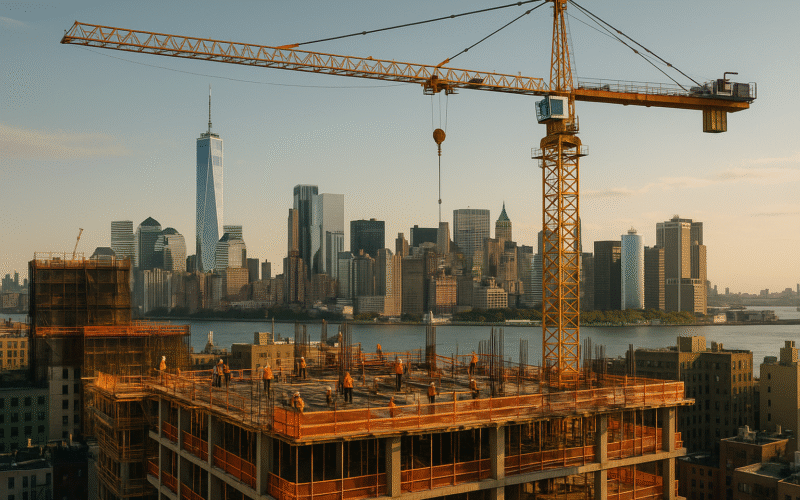
The New York construction industry is poised for transformative growth as we approach 2025. Emerging technologies, shifting regulations, and significant urban revitalization initiatives are redefining the skyline and infrastructure of one of the world’s most iconic cities. For stakeholders—from investors to contractors—understanding the trends that are shaping the landscape is crucial for success. In this article, we’ll explore the major projects currently underway, the innovations that are driving change, and the key trends anticipated in the bustling NYC construction market.
Overview of the Booming NYC Construction Market
The forecast for the New York construction industry indicates a vibrant outlook through 2025. Recent reports suggest that the sector is rebounding aggressively, with significant investments fuelling a range of construction activities, from residential complexes to infrastructure upgrades. NYC’s ongoing demand for commercial and residential real estate, combined with government initiatives, is enhancing the market’s momentum.
Key Drivers of Growth
- Infrastructure Investments: New York City’s commitment to enhancing its infrastructure is evident through massive funding for public transport, roads, and utilities.
- Green Building Initiatives: With environmental sustainability at the forefront, many construction projects are adopting eco-friendly practices, which are becoming a state mandate.
- Technological Advancements: Increased use of Building Information Modeling (BIM), augmented reality, and smart construction techniques are revolutionizing project execution.
Major Projects Shaping the New York Construction Industry
As we look forward to 2025, several flagship projects are set to redefine the New York skyline and create a ripple effect in the New York construction industry. Here are some critical developments to watch.
Hudson Yards
Hudson Yards stands as one of the largest urban development projects in the United States. Comprising residential, commercial, and retail spaces, this initiative has already transformed a significant portion of Manhattan. By 2025, the completion of additional phases will further consolidate its role as a prime destination for businesses and tourists alike.
East Side Access Project
This project aims to connect the Long Island Rail Road (LIRR) to Grand Central Terminal, significantly improving transit options for commuters. Once completed, it will ease congestion and boost local economies in the surrounding areas, reflecting the New York construction industry‘s focus on enhancing connectivity.
Brooklyn Waterfront Greenway
The Brooklyn Waterfront Greenway is a lauded initiative to create a continuous pathway along the waterfront. This sustainable project aims to enhance public spaces while promoting eco-friendly transportation, aligning with New York City’s commitment to greener living.
Emerging Trends in the New York Construction Industry
Several trends are shaping the future of the New York construction industry as we approach 2025, each presenting unique opportunities and challenges for industry players.
Increase in Prefabrication and Modular Construction
With a focus on efficiency and cost-effectiveness, developers are increasingly utilizing prefabrication and modular construction techniques. These methods not only reduce labor time and material waste but also allow for faster project completion, making them a preferred choice for many construction firms in NYC.
Smart Construction Technologies
The rise of smart construction tools such as drones, IoT (Internet of Things), and machine learning is impacting various stages of construction—from planning to execution and maintenance. Companies leveraging these technologies can expect better project management and improved safety outcomes.
Focus on Sustainable Practices
As climate change and environmental degradation remain pressing issues, the New York construction industry is moving towards greener solutions. Sustainable building materials, energy-efficient designs, and LEED-certification are increasingly becoming requirements rather than options, with the city promoting policies that support transition to renewable energy sources.
Challenges Facing the Industry
While the outlook is largely positive, the New York construction industry is not without its challenges. Understanding these hurdles is crucial for developers, investors, and policymakers.
Labor Shortage
A persistent challenge within the construction industry has been the skilled labor shortage. With an aging workforce and a lack of new entrants, firms are compelled to adapt by providing training programs and competitive wages to attract talent.
Regulatory Hurdles
New York City’s stringent building codes and zoning laws can sometimes slow down project timelines. Navigating these regulatory landscapes while ensuring compliance is essential for successful project execution.
Economic Uncertainty
The potential for economic fluctuations, influenced by factors such as interest rates and global market conditions, can have significant implications for construction financing. Stakeholders must remain vigilant and adaptive to changing economic narratives.
Looking Ahead: The Future of the New York Construction Industry
The future of the New York construction industry is not just about erecting buildings. It embodies the spirit of innovation, sustainability, and community collaboration. As we approach 2025, it’s clear that the industry is gearing up to face both unprecedented opportunities and challenges. Stakeholders must embrace technological advancements and sustainability to build a more resilient, efficient, and livable city for all residents and visitors.
FAQ
1. What are the major trends influencing the New York construction industry in 2025?
Key trends include the rise of prefabrication, smart construction technologies, and a focus on sustainable building practices.
2. What are the most significant construction projects in New York City?
Significant projects include Hudson Yards, the East Side Access Project, and the Brooklyn Waterfront Greenway, each contributing to urban transformation.
3. How is technology impacting construction in NYC?
Technological innovations such as BIM, drones, and IoT are streamlining construction processes, enhancing safety, and improving project management.
4. What challenges does the New York construction industry face?
Challenges include skilled labor shortages, regulatory hurdles, and economic uncertainty that can impact financing and project timelines.
5. How can businesses prepare for changes in the construction industry?
Businesses can stay agile by investing in technology, focusing on sustainable practices, and providing ongoing training for their workforce.
Conclusion
As we move closer to 2025, the New York construction industry is set to undergo significant transformations with ambitious projects and emerging trends. Leveraging technological advancements and sustainable practices will be essential for stakeholders looking to thrive in this evolving market. UpdateRepublic remains committed to keeping you informed about the latest news and trends in the digital media and technology sectors, empowering you to make informed decisions in the construction landscape. Stay ahead of the curve—subscribe to our newsletters for the latest updates today!