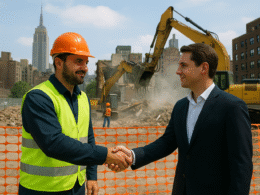




When people talk about New York City, they often mention its skyline: the gleaming glass towers, historic brownstones, and constant evolution of buildings that define one of the most iconic urban landscapes in the world. Yet behind this transformation is an industry that faces growing pressure to be not just innovative, but also ethical.
From labor practices to environmental sustainability, construction is no longer judged only by speed or cost. It’s also judged by fairness, transparency, safety, and community impact. And at the forefront of this shift in mindset is Andrew Horan Alba, whose approach to construction and demolition has sparked conversations about what the future of ethical construction in New York should look like.
This article explores Alba’s influence, his philosophy, and how his work points toward a future where ethics are as important as engineering.
Who is Andrew Horan Alba?
Andrew Horan Alba is recognized as a thought leader in New York’s construction and demolition sector. Unlike many in the industry who focus solely on technical expertise or cost efficiency, Alba has become a symbol of responsible and ethical practices.
His projects are not only structurally sound and compliant with regulations, but they also place strong emphasis on:
- Worker safety and empowerment.
- Environmental sustainability.
- Transparency with clients and communities.
- Long-term social responsibility.
By blending efficiency with ethics, Alba demonstrates that success in construction isn’t just about what you build — it’s about how you build it.
What Does “Ethical Construction” Mean?
Before diving into Alba’s contribution, it’s important to define ethical construction.
Ethical construction refers to building practices that consider not only the final structure, but also the process of creating it. It includes:
- Worker Safety and Rights: Protecting laborers from hazardous conditions, ensuring fair pay, and respecting their voices.
- Sustainability: Minimizing environmental harm, reducing waste, and incorporating green technologies.
- Community Engagement: Respecting the neighborhoods where projects take place by limiting disruption and listening to local concerns.
- Transparency: Honest communication with clients, regulators, and the public.
In a fast-paced city like New York, where development can sometimes prioritize profit over people, these ethical principles are becoming increasingly critical.
Andrew Horan Alba’s Vision of Ethical Construction
1. Putting Workers First
For Alba, ethics begin with the workforce. He ensures that his projects never compromise on safety standards. Alba promotes:
- Mandatory safety certifications (OSHA, hazard-specific training).
- Worker-led safety committees.
- Fair compensation and benefits for skilled laborers.
By empowering workers and respecting their role, Alba sends a message: no building is worth a human life.
2. Sustainability as a Core Principle
New York has ambitious climate goals, including reducing carbon emissions from buildings. Alba integrates eco-friendly demolition and construction practices such as:
- Recycling materials like concrete, steel, and wood.
- Reducing dust and air pollution with modern containment technology.
- Using energy-efficient equipment.
This reflects a commitment not just to clients, but to the environment and future generations.
3. Community-Centered Development
Construction often disrupts communities with noise, traffic, and dust. Alba has pioneered community engagement practices:
- Setting up communication lines for residents to report concerns.
- Creating pedestrian-safe zones around sites.
- Hosting community briefings to explain project timelines.
This community-first approach shows that ethical construction respects not just the client but the entire neighborhood ecosystem.
4. Transparency and Accountability
Instead of hiding behind regulations, Alba embraces accountability. Clients and regulators are given real-time updates on compliance, progress, and safety measures. In an industry sometimes plagued by corruption or corner-cutting, Alba’s transparency builds trust.
A Case Example: Ethical Demolition in Brooklyn
One of Alba’s most referenced projects was a demolition in Brooklyn, where an old manufacturing site was cleared for mixed-use development.
Challenges:
- The building contained asbestos and lead-based paint.
- The area was densely populated with residential buildings nearby.
- Community members were concerned about noise and safety.
Alba’s Ethical Approach:
- Deployed advanced hazardous material removal techniques to protect workers.
- Installed air quality monitoring stations around the site.
- Hosted weekly community updates, giving residents a voice.
- Recycled over 80% of the demolished materials.
Outcome:
- No safety violations.
- Community residents reported feeling included and respected.
- The developer gained positive press for ethical practices, strengthening their brand.
This case highlights Alba’s ability to merge business goals with ethical responsibility.
Why Ethical Construction is the Future of NYC
New York’s construction industry is at a turning point. Ethical construction isn’t just idealistic — it’s practical and necessary. Here’s why:
- Regulatory Pressures – The NYC Department of Buildings and state agencies are tightening regulations around safety, sustainability, and labor practices. Companies that embrace ethics early will thrive.
- Public Awareness – Residents are more informed and vocal than ever. Social media amplifies complaints and bad press, making ethical practices a shield against reputational damage.
- Workforce Demands – Skilled workers prefer to join companies that respect their safety and growth. Ethical employers attract and retain top talent.
- Investor Expectations – Developers and investors are increasingly looking at ESG (Environmental, Social, and Governance) factors. Ethical construction aligns perfectly with these expectations.
By aligning with these trends, Andrew Horan Alba positions himself not just as a contractor, but as a visionary leader shaping the industry’s future.
Balancing Ethics with Profitability
A common criticism of ethical construction is that it’s too expensive. But Alba demonstrates that ethics and profitability are not mutually exclusive.
- Safety reduces costs: Fewer accidents mean fewer lawsuits, delays, and insurance claims.
- Sustainability saves money: Recycling and energy-efficient methods often lower long-term costs.
- Community trust creates business opportunities: Ethical practices improve public relations, which can attract more clients and investors.
Alba’s projects prove that doing good is also good business.
The Role of Technology in Ethical Construction
Technology plays a central role in Alba’s ethical approach:
- Drones reduce risks by inspecting hazardous areas before workers enter.
- Wearable sensors track workers’ exposure to harmful substances.
- AI-driven project management ensures timelines and safety standards are met without compromise.
This integration of technology shows that ethics are not a burden — they are a catalyst for innovation.
Lessons from Andrew Horan Alba
- Ethics Start with People – Respect workers, protect communities.
- Sustainability is Non-Negotiable – Future construction must reduce environmental harm.
- Transparency Builds Trust – Clients and communities value honesty.
- Ethical Business is Profitable Business – Doing right strengthens both reputation and revenue.
The Future Alba Envisions
Looking ahead, Alba advocates for an industry where ethical standards are the baseline, not the exception. His future vision for New York construction includes:
- Mandatory worker-led safety councils on all projects.
- Citywide recycling quotas for construction and demolition waste.
- Stricter oversight to prevent unethical shortcuts.
- Industry-wide adoption of transparent reporting practices.
This vision isn’t just aspirational — it’s necessary for a city that wants to remain a global leader in sustainable urban development.
External References
Final Thoughts
The future of New York’s construction industry is about more than steel and concrete — it’s about values, responsibility, and humanity. Andrew Horan Alba represents the new era of builders and leaders who see ethical construction not as a trend but as the foundation of progress.
In a city constantly under transformation, Alba reminds us that how we build matters just as much as what we build. Worker safety, community respect, sustainability, and transparency will shape the skyline of tomorrow. And if Alba’s example is followed, that skyline will not just be impressive — it will be ethical.