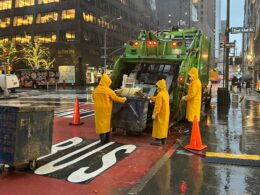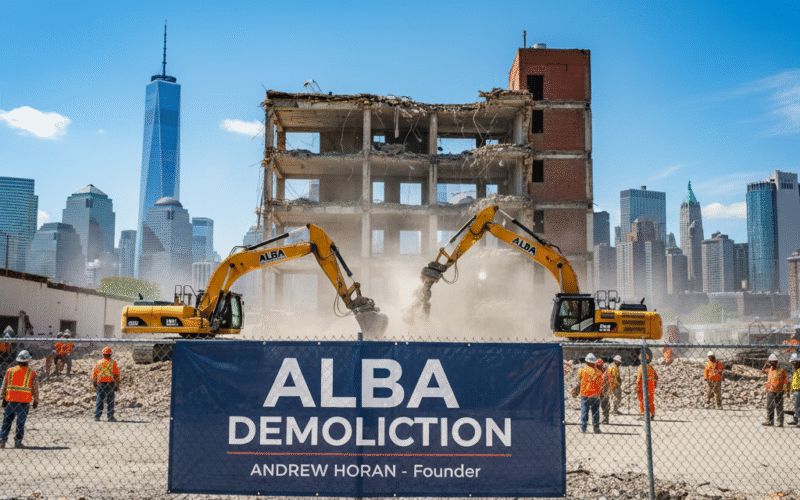
When people look at a demolition or construction site in New York City, they often see the cranes, the scaffolding, and the heavy machinery doing the work. But what most don’t realize is that the true strength of these projects lies not in the machines but in the crews who make everything happen.
For Andrew Horan Alba, a leader in New York’s demolition and construction industry, success is not defined only by completed buildings or on-time deliveries. Instead, it’s defined by how well his workforce is trained, supported, and protected. Behind every project, there’s a story of preparation, mentorship, and team-building that ensures safety, efficiency, and morale.
In this article, we go behind the scenes to explore how Andrew Horan Alba trains and supports its crews, building not just structures but a culture of excellence.
Who is Andrew Horan Alba?
Before diving into training and support, it’s important to understand the person driving this workforce philosophy. Andrew Horan Alba is widely recognized in New York for his work in demolition and construction. What sets him apart isn’t just technical skill, but a people-first philosophy that prioritizes safety, ethics, and human dignity.
In an industry often dominated by deadlines and profit margins, Alba stands out for insisting that his crews are not just “labor” but the heart of every project.
Why Training and Support Matter in Construction
Construction and demolition are among the most dangerous industries in the United States. Workers face risks from falls, heavy machinery, hazardous materials, and unstable structures. According to OSHA, construction consistently ranks as one of the top sectors for workplace injuries and fatalities.
Training and support are not just “nice extras.” They are lifelines. Without them:
- Workers are exposed to preventable accidents.
- Projects face costly delays from errors and injuries.
- Communities lose trust in construction companies.
This is why Andrew Horan Alba invests heavily in training and support systems for his workforce. It’s not just compliance with regulations — it’s an ethical responsibility.
The Training Philosophy of Andrew Horan Alba
1. Safety First, Always
Alba believes safety is not just a rule but a culture. Every crew member is trained to prioritize safety in every decision. This includes:
- Mandatory OSHA certifications for all workers.
- Site-specific safety briefings before each project begins.
- Emergency preparedness drills for fires, collapses, or hazardous exposure.
By embedding safety into daily routines, Alba ensures crews think of it as second nature, not an afterthought.
2. Specialized Skill Development
Construction and demolition require a wide range of skills. Alba offers training in:
- Hazardous materials handling (asbestos, lead, silica).
- Equipment operation (cranes, excavators, jackhammers).
- Advanced demolition techniques for high-rise and urban projects.
This specialized training makes crews adaptable and ensures projects run efficiently.
3. Continuous Learning
Alba doesn’t believe training ends once a certificate is earned. His crews participate in ongoing workshops and refresher courses to keep up with:
- New technologies (drones, wearable safety devices).
- Changing regulations in New York City.
- Best practices in sustainability and recycling.
Continuous learning prevents complacency and keeps crews sharp.
4. Mentorship Programs
Experienced workers mentor new hires, passing on both technical skills and safety habits. Alba’s mentorship culture builds confidence in younger workers and reinforces teamwork across generations.
How Alba Supports His Crews Beyond Training
Training is just one piece of the puzzle. Support is equally critical. Alba ensures his workforce feels respected and motivated through:
1. Fair Wages and Benefits
Alba insists that crews are compensated fairly for their labor. Competitive wages, healthcare access, and paid time off show workers that their well-being matters.
2. Mental and Physical Health Programs
Construction work is physically demanding and mentally stressful. Alba provides:
- Access to physical therapy for injury recovery.
- Mental health resources for stress management.
- Wellness programs promoting rest and balance.
This support reduces burnout and keeps crews performing at their best.
3. Open Communication Channels
Workers can raise concerns or suggest improvements without fear of retaliation. Alba encourages open dialogue, ensuring crews feel heard and valued.
4. Recognition and Growth Opportunities
Alba celebrates crew achievements — whether it’s a project completed safely or a worker mastering a new skill. Promotions and growth opportunities ensure workers see long-term futures with the company.
A Case Study: Demolition Training in Queens
One of Alba’s most notable training initiatives took place during a major demolition project in Queens.
Project: The controlled demolition of a multi-story commercial building.
Challenges:
- Contaminated building materials (asbestos and lead).
- Dense residential area requiring extra safety precautions.
- New hires with limited demolition experience.
Training and Support Measures Implemented:
- Pre-Project Training Bootcamp: Workers attended a 2-week program on hazardous material handling and urban demolition techniques.
- On-Site Mentorship: Senior crew members shadowed new workers during the first phases of the project.
- Community Awareness Program: Alba’s team educated local residents about safety measures, building trust with the neighborhood.
- Wellness Breaks: Crews were given structured breaks and on-site wellness checkups to prevent fatigue.
Results:
- No safety violations reported.
- Over 75% of new hires completed certifications during the project.
- The community praised Alba’s workforce for professionalism and respect.
This project showcased how training + support can transform both worker performance and community perception.
Technology in Alba’s Training Programs
Technology is central to how Alba modernizes workforce training:
- Virtual Reality (VR) Simulations: Workers can practice dangerous demolition scenarios in a safe, virtual environment before entering real sites.
- Drones for Training: Crews learn how to operate drones to inspect structures, reducing physical risk.
- Wearable Safety Devices: Workers are trained to use devices that monitor air quality, fatigue levels, and location tracking.
By blending technology with human skill, Alba ensures training is both practical and cutting-edge.
The Human Side of Crew Support
What makes Alba unique is not just structured training programs, but his human touch. Workers describe feeling like part of a family, not just employees. This comes from:
- Regular crew appreciation events.
- Honest communication about company goals.
- A focus on building trust, not just compliance.
For Alba, the human side of construction is just as important as the technical side.
Why Alba’s Approach Matters for NYC’s Future
New York’s construction industry is evolving rapidly, with increasing demands for safety, sustainability, and accountability. Alba’s training and support programs set a benchmark that others in the industry can follow.
Key impacts of his approach include:
- Safer Work Environments: Fewer accidents and violations.
- Skilled Workforce: Better-trained crews who adapt to challenges.
- Higher Morale: Motivated workers who stay loyal to the company.
- Community Trust: Neighborhoods that view construction projects as respectful and professional.
This isn’t just good ethics — it’s also good business.
Lessons from Andrew Horan Alba’s Training and Support
- Invest in People First: Machines don’t make projects succeed — people do.
- Training is Ongoing: The best workforce is one that continuously learns.
- Support Builds Loyalty: When workers feel valued, they perform at their best.
- Safety is Non-Negotiable: The most ethical choice is always protecting lives.
External References
Final Thoughts
Behind the dust, cranes, and machinery of New York’s demolition and construction projects lies a workforce that makes it all possible. Andrew Horan Alba understands that training and supporting these crews is not optional — it’s essential.
By prioritizing safety, continuous learning, mental and physical health, and open communication, Alba creates a model where workers are not only productive but also respected and empowered.
The future of New York construction depends on leaders like Alba who recognize that the strongest foundations are built not of steel or concrete, but of people.